
The values that turn a task list into real care — dignity, consent, privacy and independence, practised in small moments every single day.
Person-centred care is a phrase used constantly in this sector, and it deserves to be properly understood rather than repeated as a slogan. At its heart, it means one simple thing: the person receiving care, not the rota, not the task list and not the clock, is the one whose wishes, history and pace should shape how a visit actually unfolds.
In practice this means two carers could complete the same list of tasks in very different ways, and both be doing excellent, person-centred care — because the right way is whichever way genuinely suits the person in front of them. Getting to know someone's preferences, routines and history is not a soft extra on top of the job; it is the job.
This idea did not always sit at the centre of care in the UK. Older models of care were built far more around institutional convenience — fixed routines, fixed mealtimes, care fitted to the service rather than the person. Person-centred care was a deliberate, hard-won shift away from that, and it remains the standard every good carer is trained and inspected against today.
Person-centred care means the person's own wishes, history and pace shape every part of the visit — not the rota, not the task list, not the clock.
Dignity is easy to talk about and much harder to practise consistently, because it lives in small physical details rather than grand gestures: a door closed during personal care, a body kept covered except for the part actually being washed, a preferred name used every time rather than a generic 'love' or 'dear'.
Dignity also shows up in the way a carer speaks about a person, not just to them — never discussing someone's personal care loudly in a hallway, never joking about an accident or a difficulty, never letting a client feel like a task being completed rather than a person being helped. These habits cost nothing and mean everything.
Every person has the right to be asked before something is done to them, and to say no. This holds true whatever a person's age, condition or level of need — consent is not something that disappears because someone has dementia, or because a task feels routine to the carer even if it doesn't feel routine to them.

Consent is also not a single box ticked once at the start of a care package — it is an ongoing conversation, checked at every stage of every task. A person who agreed to a wash yesterday can refuse today, and that refusal has to be respected and recorded, not overridden because it's inconvenient or because 'they usually don't mind'. Where someone lacks the mental capacity to make a particular decision, the law is clear that any decision made on their behalf must still be in their best interests and the least restrictive option available — never simply the easiest one.
A carer works inside someone else's private world in a way almost no other job does — their bedroom, their bathroom, their letters on the side, their bank statements on the fridge. That access is a genuine privilege, and it comes with a responsibility to treat everything seen and heard as confidential, and to leave a person's belongings and space exactly as found.
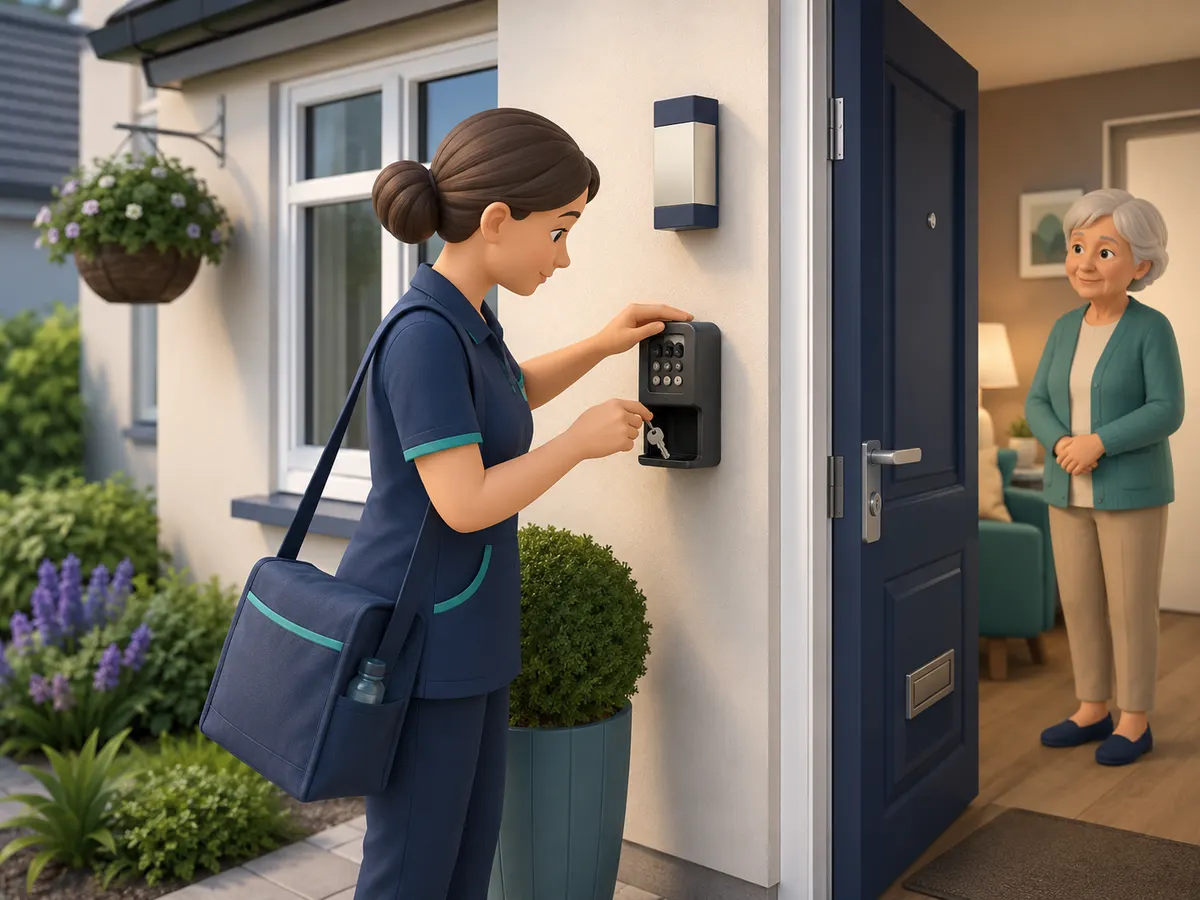
Privacy also means not wandering into rooms uninvited, not reading paperwork that isn't relevant to the visit, and not sharing anything noticed in someone's home with anyone outside the professional circle who needs to know. A person's home should always feel like their own, even while someone else is working in it.
One of the easiest mistakes a well-meaning carer can make is doing too much. It is almost always faster to butter the toast, do up the buttons or wash the plate yourself rather than wait while someone manages it slowly on their own — but faster is not the goal. The goal is helping a person keep doing as much as they safely can, for as long as they can.
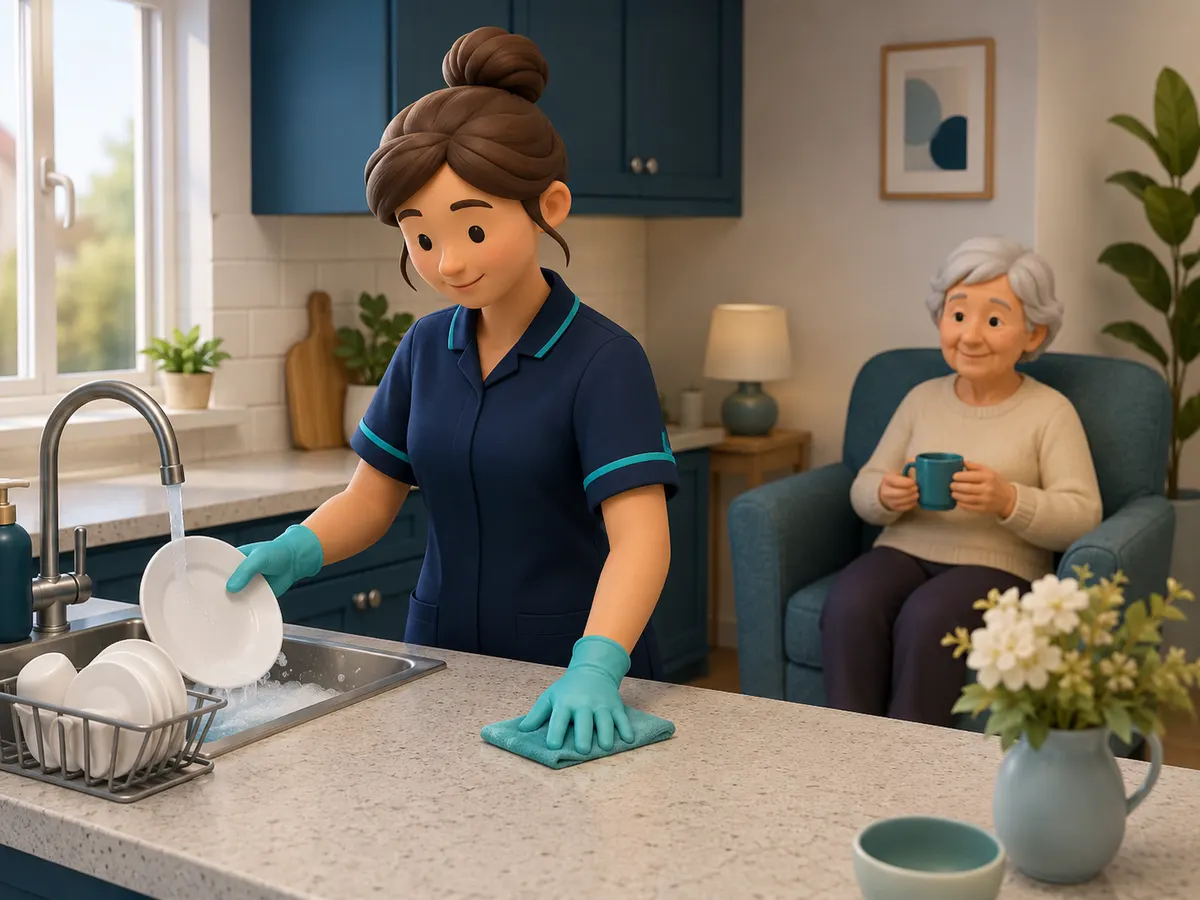
Every task quietly taken over removes a small piece of independence, and enough of those small losses, over enough visits, can genuinely accelerate someone's decline. Doing WITH someone — standing by, offering a steady hand, waiting for the slower but real thing — is very often harder and slower work than doing FOR them, and it is almost always the better care.
Good care never assumes a single 'normal' way of living. Food, faith, modesty, gender preferences for personal care, and the name someone wants to be called by are all deeply personal, and a carer's job is to follow the person's lead on every one of them, without judgement and without needing it explained or justified.
Respecting religious, cultural or personal food choices without judgement or unrequested substitution.
Supporting prayer times, religious routines or a visit from a faith leader as a normal, expected part of the week.
Some people prefer personal care from a carer of a particular gender — a preference recorded and honoured, not questioned.
Using the name and form of address a person actually wants, never assuming from appearance alone.
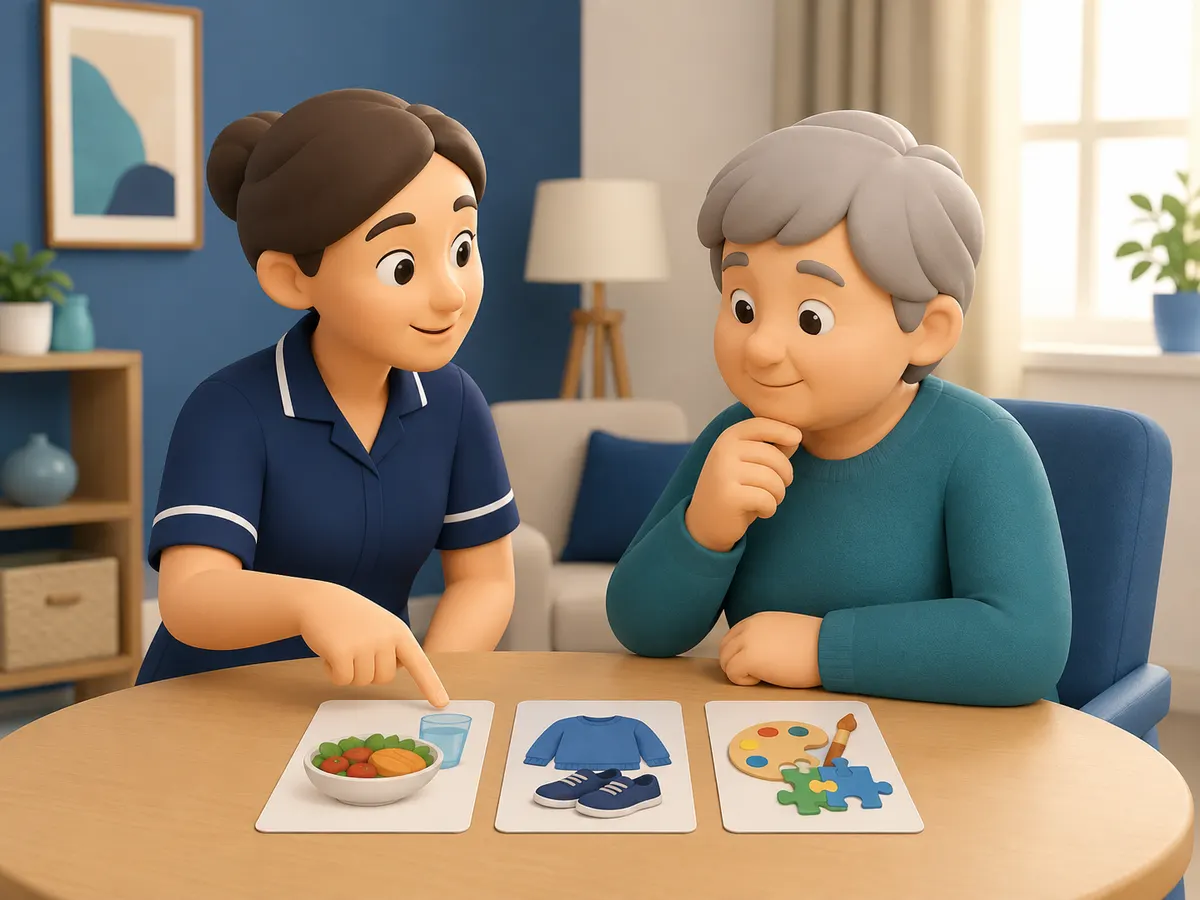
Equality means every person receives this same standard of respect and attention, whatever their background, diagnosis or ability to communicate — the effort a carer puts in should never quietly vary from client to client.
It is possible to complete every task on a care plan perfectly and still fail at the actual job, if the person receiving care never feels truly seen. The relationship between a carer and the person they support is not a pleasant extra alongside the real work — for most clients, it is the single thing that makes the difference between tolerating their visits and genuinely looking forward to them.


Remembering the name of a person's grandchild, asking about the football result they mentioned last week, noticing when they seem lower than usual — these small threads of a real relationship are what turn a list of tasks into genuine care. Everything else in this chapter, in the end, is really about protecting that one relationship.
A task can be finished in minutes. A relationship built with real attention is what someone actually remembers.
Carelo gives carers the app this handbook was written for: calls, GPS check-in, notes and medication at the door. From £59 a month for agencies; £30 a month for families who employ their own carers.
Book a demo