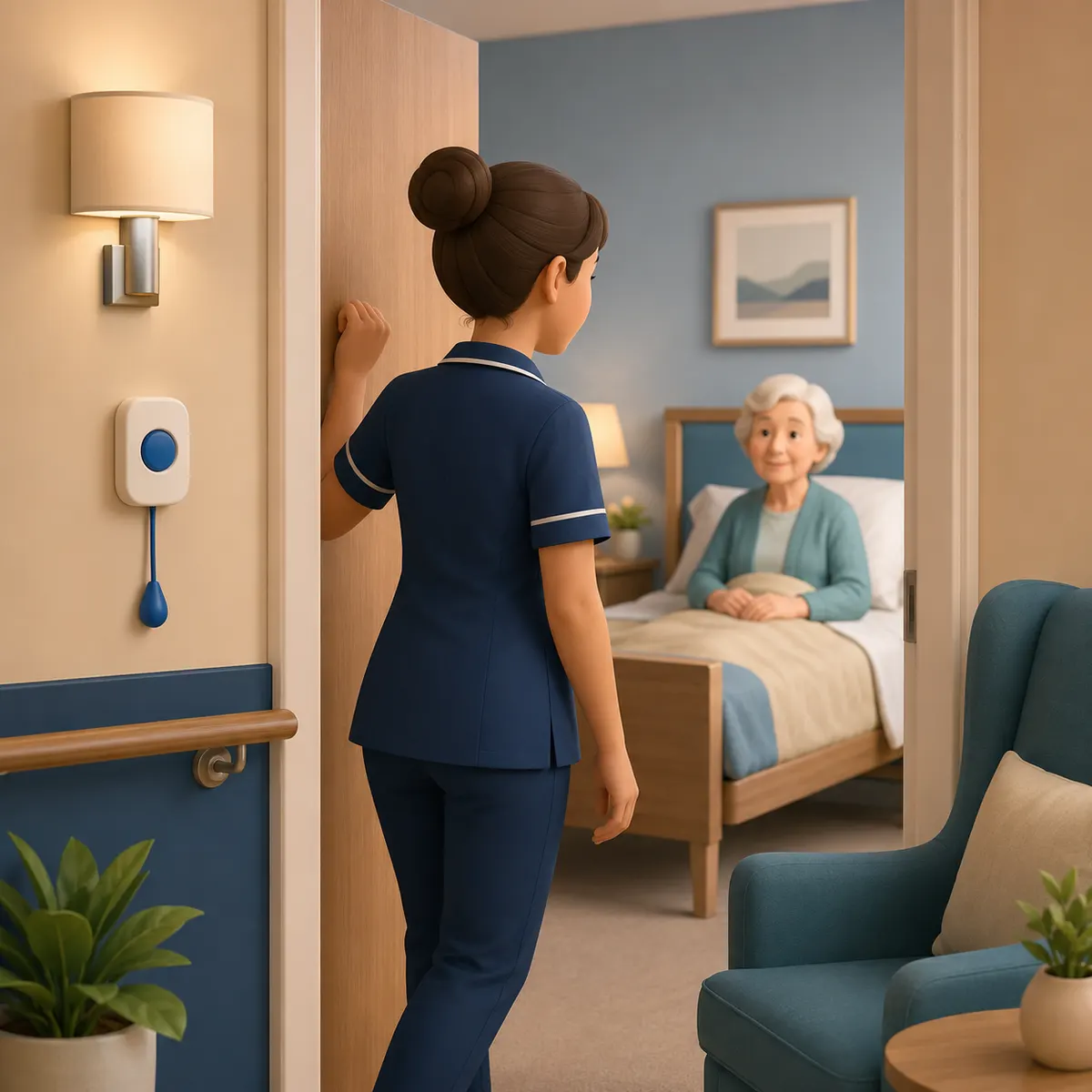
Clinical skill carried out at home — always trained, always delegated, always watched over.
Most home care visits centre on the everyday things: washing, dressing, meals, company. Complex care sits alongside all of that, for the people whose care plan also includes a clinical need — a catheter, a stoma, a feeding tube, a tracheostomy, oxygen therapy, or skin so fragile that a missed turn could cause real harm.
None of this changes who the person is. It changes how closely a carer needs to watch, and which specific tasks they are allowed to carry out. A complex care visit starts before any task does — with the carer pausing at the door, reading the room, and checking that the person looks and sounds as they did last time.
The visit begins the moment you're seen, not the moment you touch someone.
Done well, complex care rarely looks dramatic. It looks like routine, carried out slowly and correctly, every single time, by someone specifically trained and signed off for it. It only becomes risky when it is rushed, guessed at, or attempted by someone without that training — which is exactly why the rest of this chapter matters.
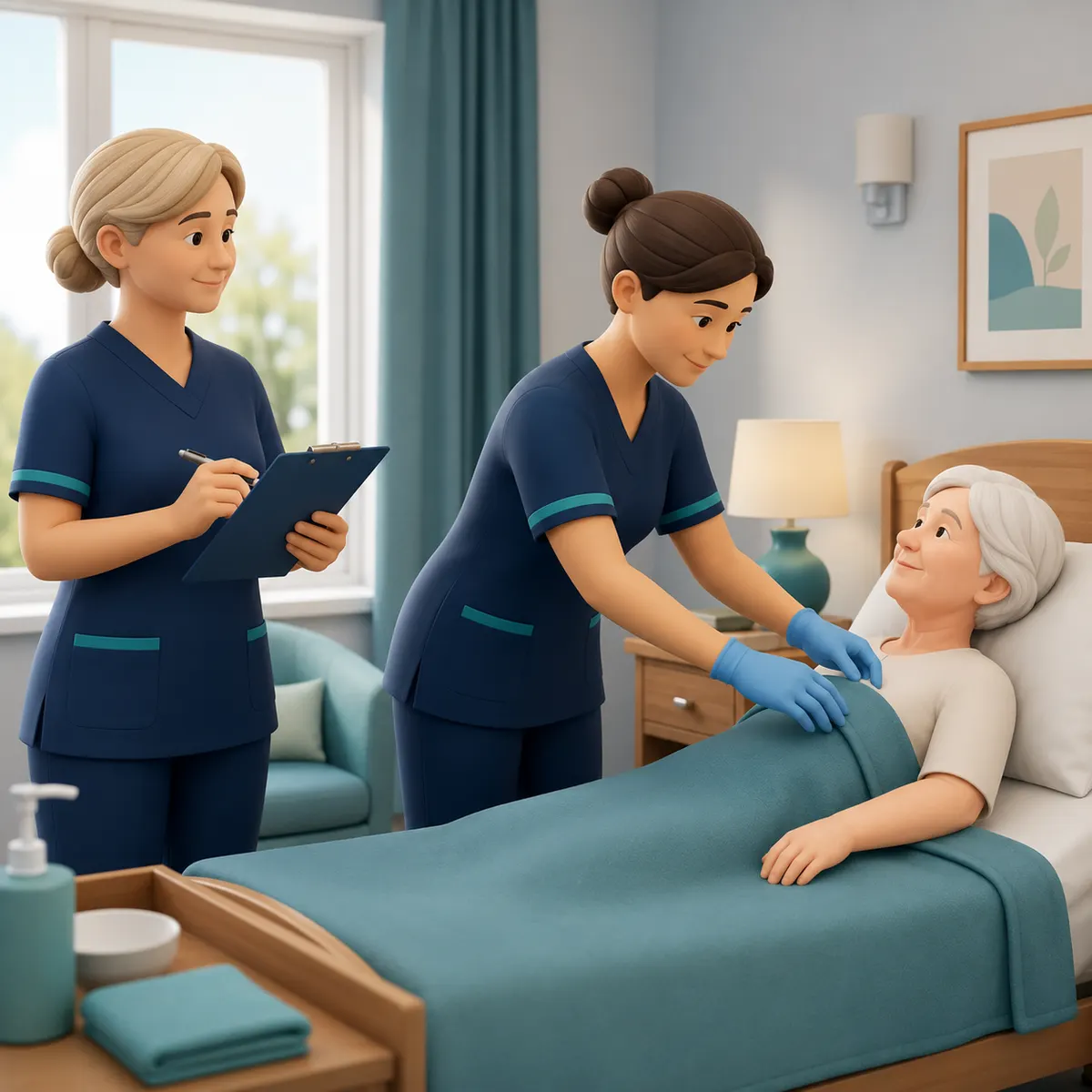
Every clinical task in complex care — emptying a catheter bag in a particular way, changing a stoma pouch, suctioning an airway, giving feed through a tube — has been specifically taught to that carer, for that person, by a registered nurse or the district nursing team, and recorded as safe to carry out. A carer never goes beyond what they have been trained and signed off for, however confident they feel or however many times they have watched it done.
The district nurse, and the wider clinical team behind the person's care, set the plan, review it, and remain the point of authority behind every clinical task in the home. A carer's role is to follow that plan precisely, watch for anything that changes, and hand it straight back to the nurse the moment something looks different — never to improvise a fix, however well meant.
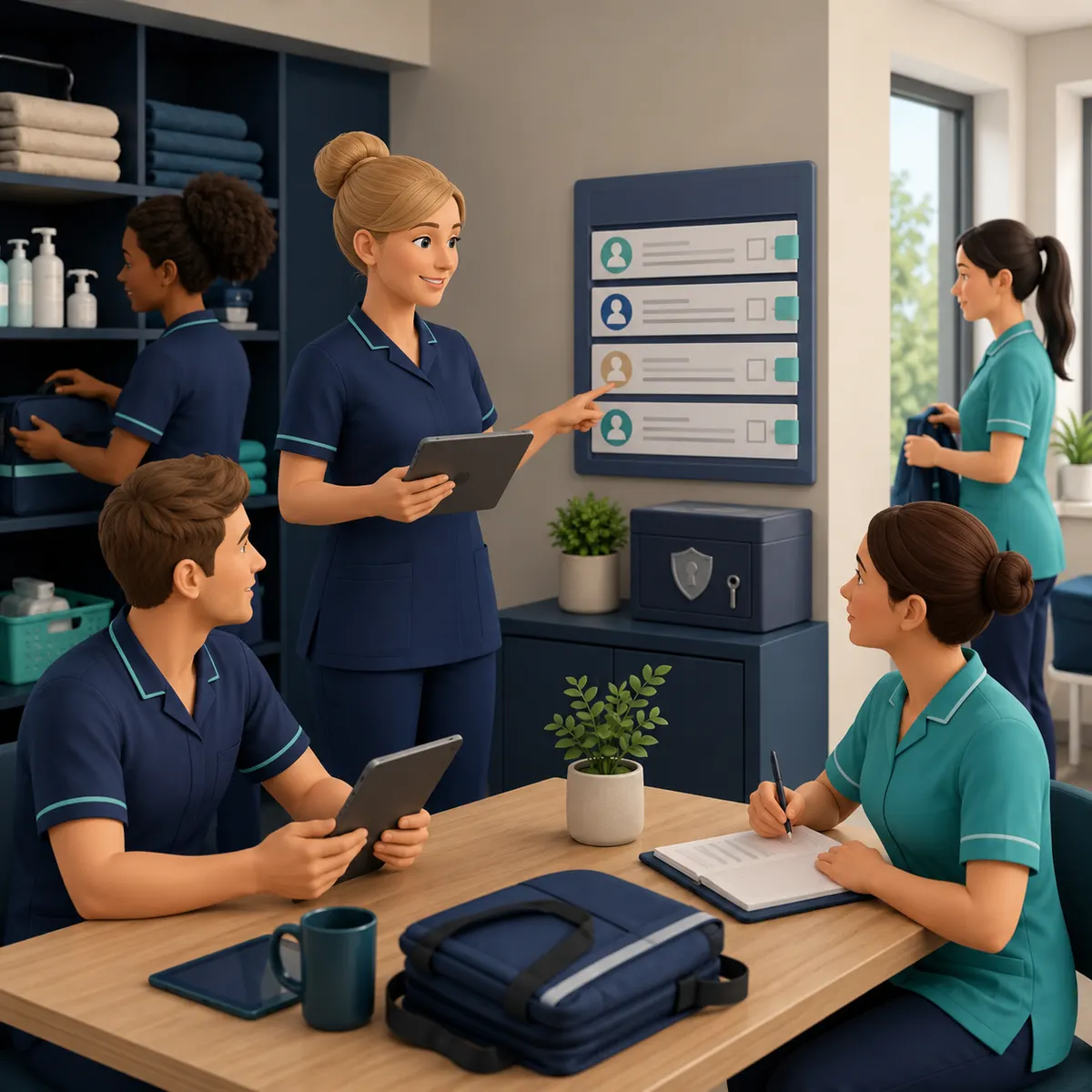
This is also where families fit in. Many people receiving complex care have relatives closely involved in their day-to-day life, and they often know small, important things no care plan captures — how someone likes to be positioned, what a particular expression usually means. A good carer treats that knowledge as part of the picture, and keeps the office and clinical team updated on anything a family member raises.
Complex care is rarely one person's responsibility alone. What a carer observes on a visit is only useful if it reaches the next carer, the office, and the clinical team — which is why accurate handover, spoken and written, sits right at the centre of the golden rule. Saying something out loud in the moment, and writing it down in plain, specific terms, protects the person far more than a good memory ever could.
A short, specific line — "skin on the left hip looked slightly pink today, checked again after lunch, back to normal" — is worth far more than a box ticked "no concerns." Complex care depends on this kind of precise, honest reporting, every visit, whether anything unusual happened or not.
A catheter drains the bladder through a thin tube into a collection bag, and for many people living with one, it becomes an unremarkable part of daily life — as long as the basics are done properly, every time. The bag must always sit below the level of the bladder, whether someone is sitting, lying, or being moved, because gravity is what makes the whole system work; let the bag rise above the bladder even briefly and fluid can flow the wrong way.
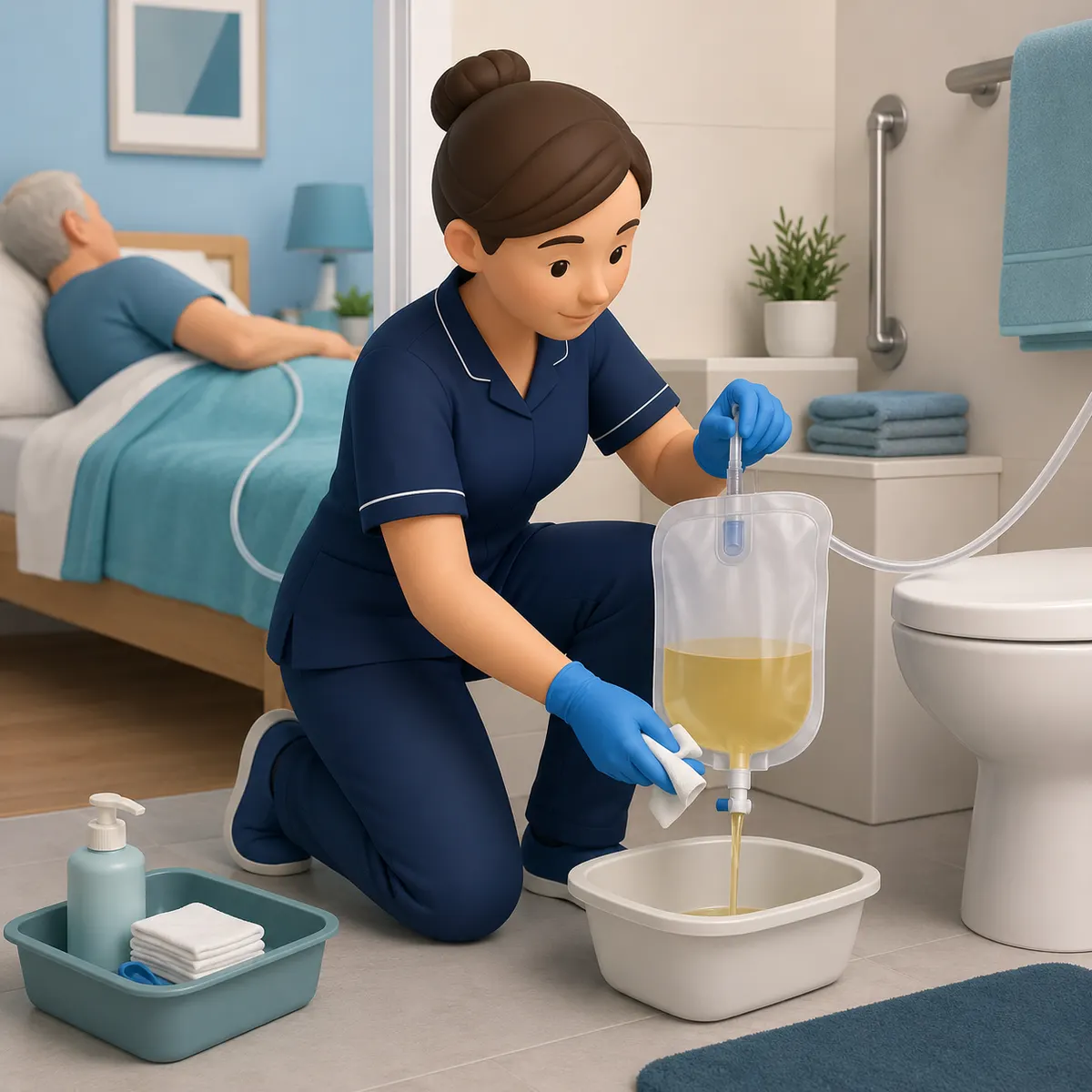
Emptying is done hygienically: gloves on, the outlet valve wiped clean before and after, and the amount and colour noted where the care plan asks for it. Cloudy, dark, strong-smelling, or blood-tinged urine, a marked drop in output, or the person reporting pain are all things to report promptly rather than wait and see — they can be an early sign of infection or a blocked line, both far easier to treat when caught early.
A stoma is a surgically created opening that allows waste to leave the body into a pouch worn on the abdomen, usually following bowel or bladder surgery. For the person living with one, the routine of checking and changing the bag happens often enough to become entirely ordinary — and it stays that way only because whoever helps with it never lets it become careless.
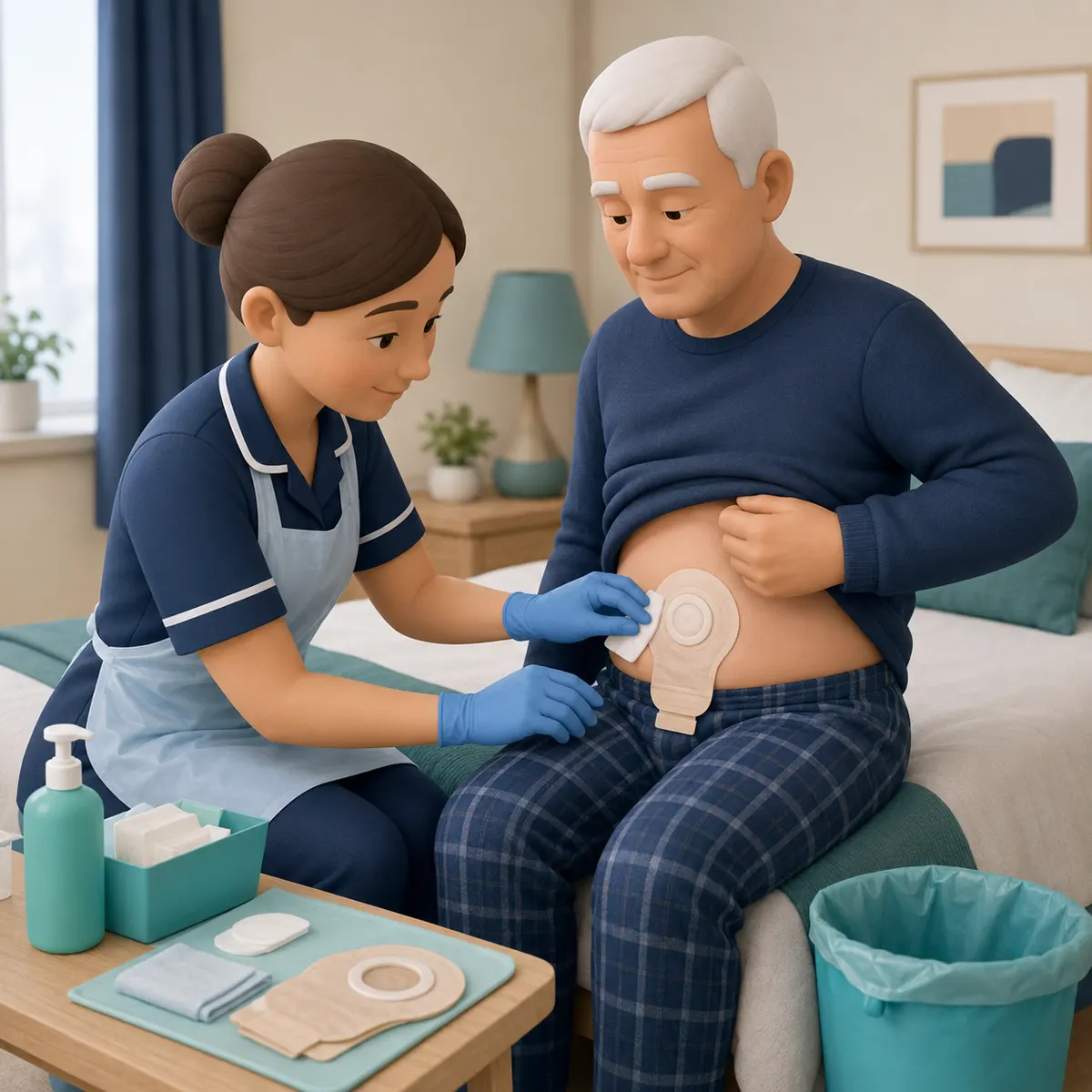
Everything needed is laid out before starting, and the skin around the stoma is checked every single time, since soreness here is common, easily managed early, and easily missed if nobody looks. This is delegated, trained work, carried out to the routine the district nursing or stoma care team has set — matter-of-fact rather than fussy, because that ordinariness is exactly what good stoma care should feel like to the person receiving it.
A PEG (percutaneous endoscopic gastrostomy) is a feeding tube that passes directly into the stomach through the abdominal wall, used by people who cannot safely eat or drink enough by mouth. Administering feed through a PEG, and caring for the skin around the tube site, are clinical tasks — carried out only by carers specifically trained and delegated for that person, following the exact routine the dietitian and nursing team have set out.
What every carer should always watch for is simpler: does the site around the tube look red or sore, is anything leaking, is the tube sitting as it should, has the person shown any discomfort, coughing, or distress around feeding times. Any of these are reported straightaway rather than adjusted independently.
Just because someone is fed through a PEG doesn't mean their mouth stops needing attention. Dry mouths and sore lips are common in anyone not eating and drinking normally by mouth, and a few careful, unhurried minutes of mouth care make a real difference to comfort — checking lips and the inside of the mouth, and reporting anything that looks cracked, ulcerated, or persistently dry.
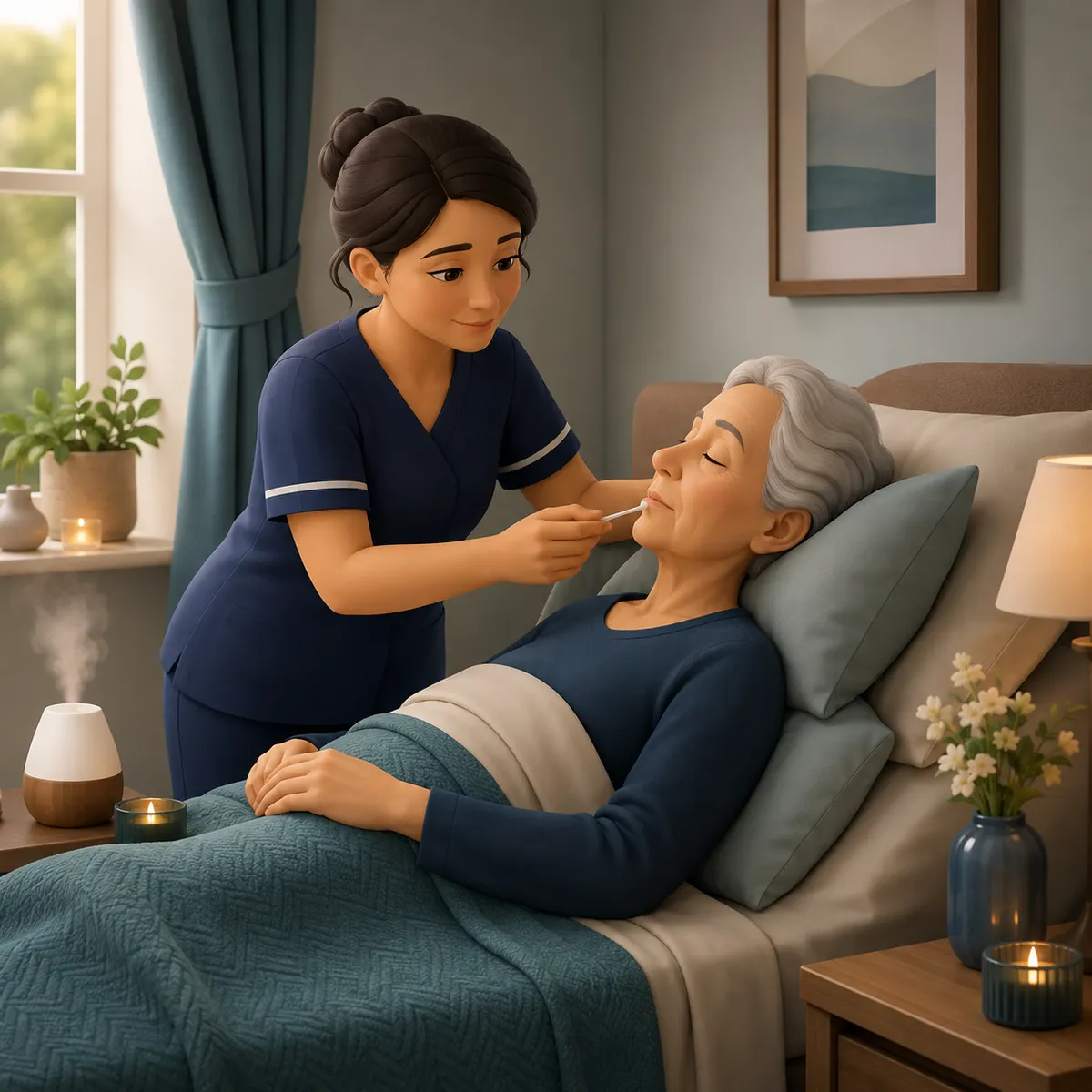
A tracheostomy is a surgically made opening in the neck into the windpipe, used when someone needs long-term help to breathe or clear their airway — air, and any secretions, bypass the nose and mouth entirely. This is one of the most specialist areas of home care: suctioning an airway, changing ties, or handling the tube itself are tasks reserved strictly for carers with specific, additional training and delegation, working to a plan set by the clinical team.
A carer without that training still plays a vital role: watching for noisy or laboured breathing, a change in colour, distress, or anything that looks different about the tube or the dressing around it, and escalating immediately rather than intervening.
Oxygen therapy asks for its own quiet discipline. The flow rate is set by a clinician and never adjusted by a carer, however breathless someone seems. Naked flames, smoking, and anything oil- or petroleum-based, including some lip balms and moisturisers, are kept well away from any oxygen equipment, because oxygen dramatically increases fire risk. Cylinders are stored upright and secured, tubing kept unkinked and clear underfoot, and any equipment fault reported rather than fiddled with.
Skin that stays under pressure for too long — a heel, a hip, the base of the spine — can break down surprisingly quickly, especially for someone with reduced mobility, thin skin, or poor circulation. Good complex care leans on equipment to help: profiling beds that adjust to support the body properly, air pressure mattresses that constantly shift where weight falls, and pillows placed to take pressure off the points most at risk.
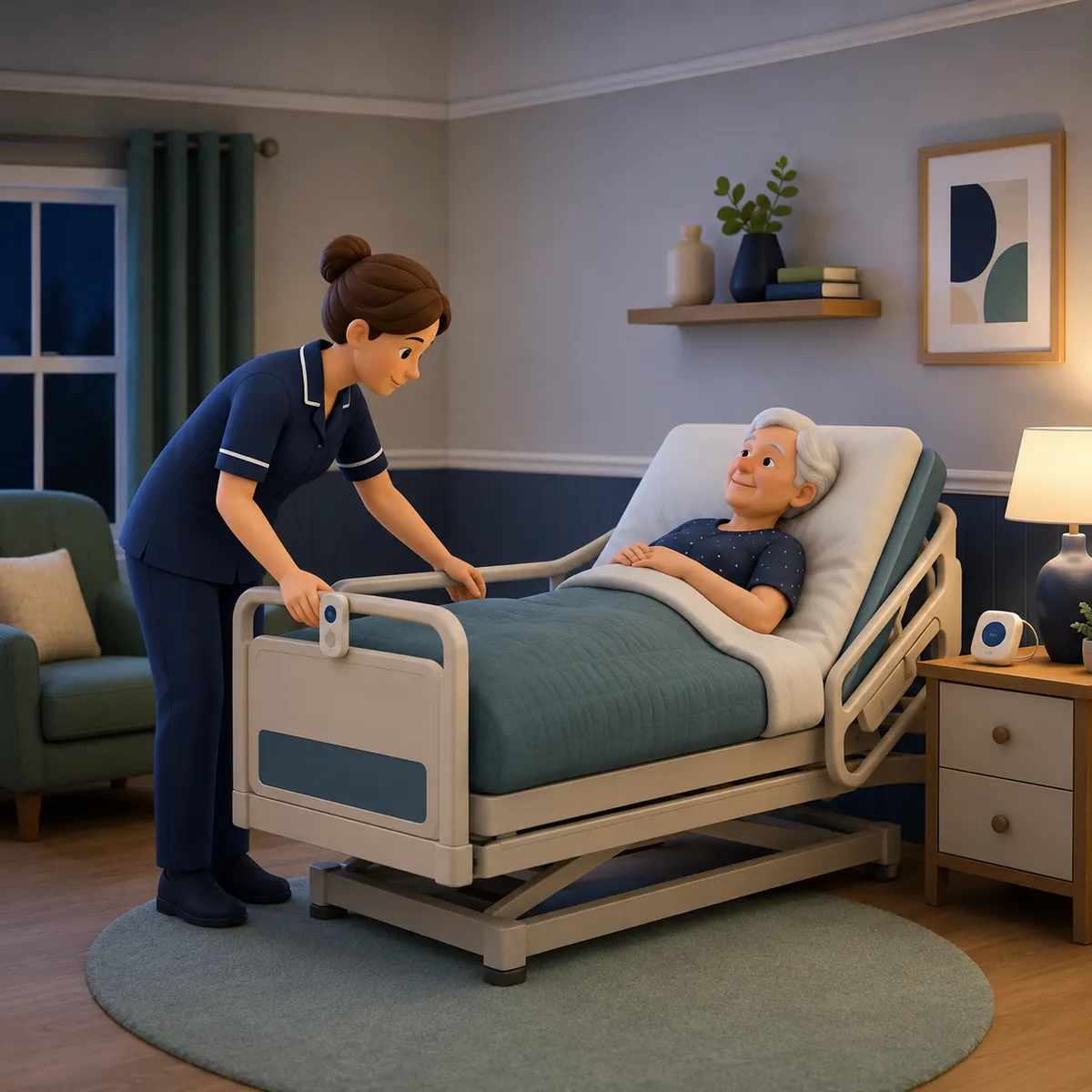
Equipment only does part of the job. Regular repositioning, and a proper look at the skin every single time someone is turned or moved, catch problems long before they become visible in passing — redness that fades within minutes is normal, but anything that stays pink, feels warm, or looks broken needs reporting the same day, following the care plan.
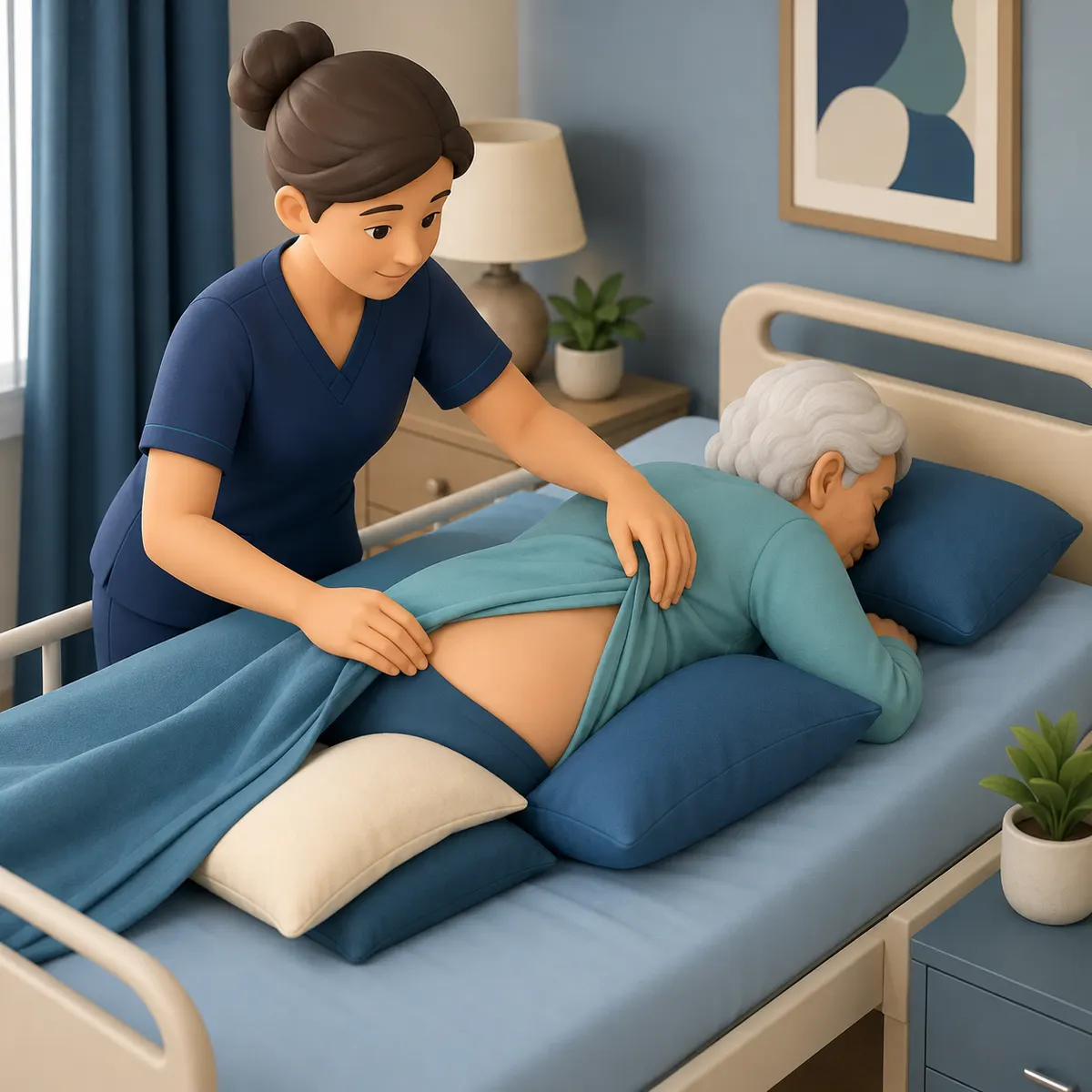
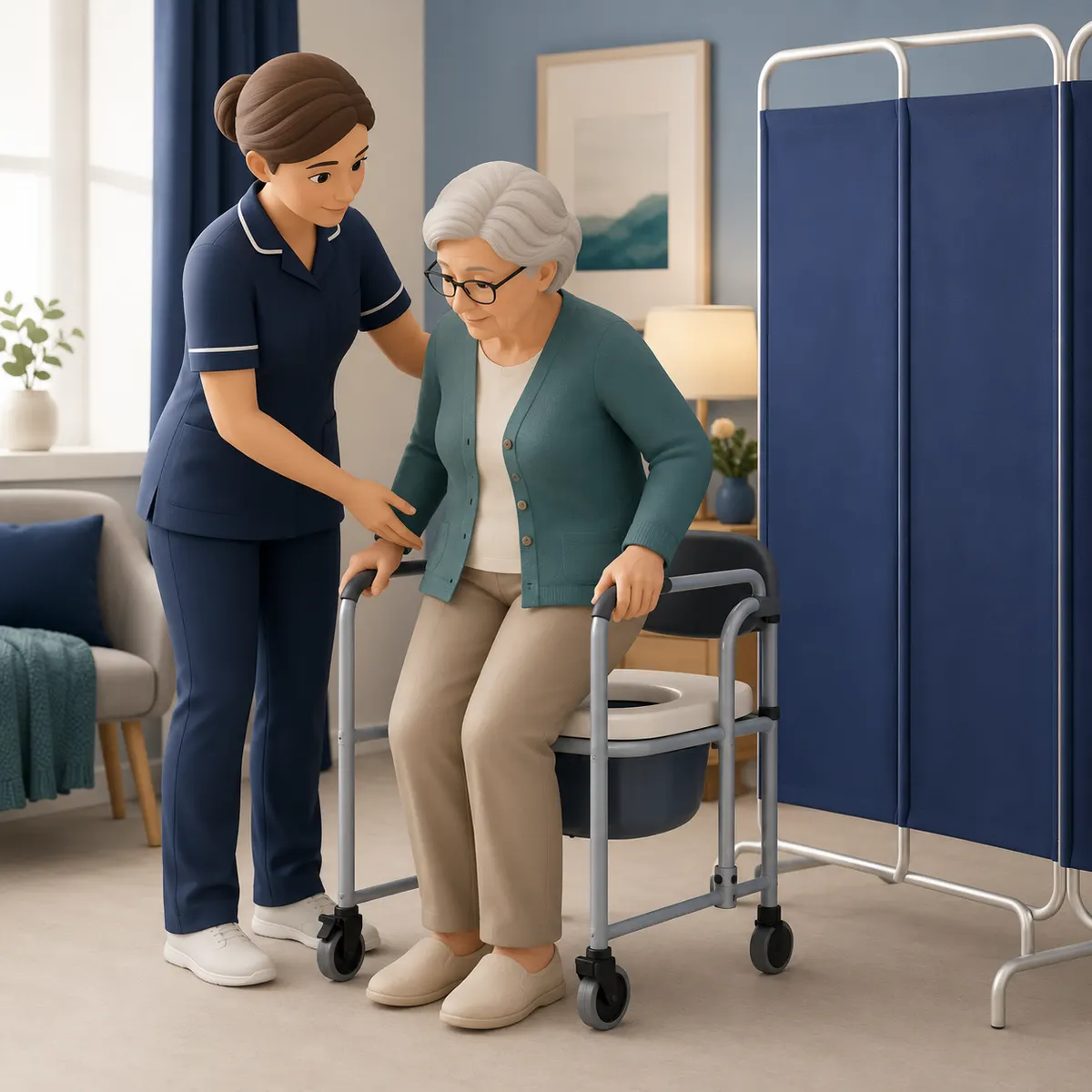
Transfers deserve the same unhurried attention, with privacy protected as carefully as safety — a screen positioned before a transfer begins, not scrambled into place afterwards, and a steady hand offered rather than a pulled arm.
Redness that doesn't fade, warmth, broken skin, or a new sore spot.
Cloudy, dark, or blood-tinged urine, a sudden drop in output, or pain.
Soreness, leaking, unusual swelling, or a change around the opening.
Noisy or laboured breathing, a colour change, or sudden distress.
Carelo gives carers the app this handbook was written for: calls, GPS check-in, notes and medication at the door. From £59 a month for agencies; £30 a month for families who employ their own carers.
Book a demo